

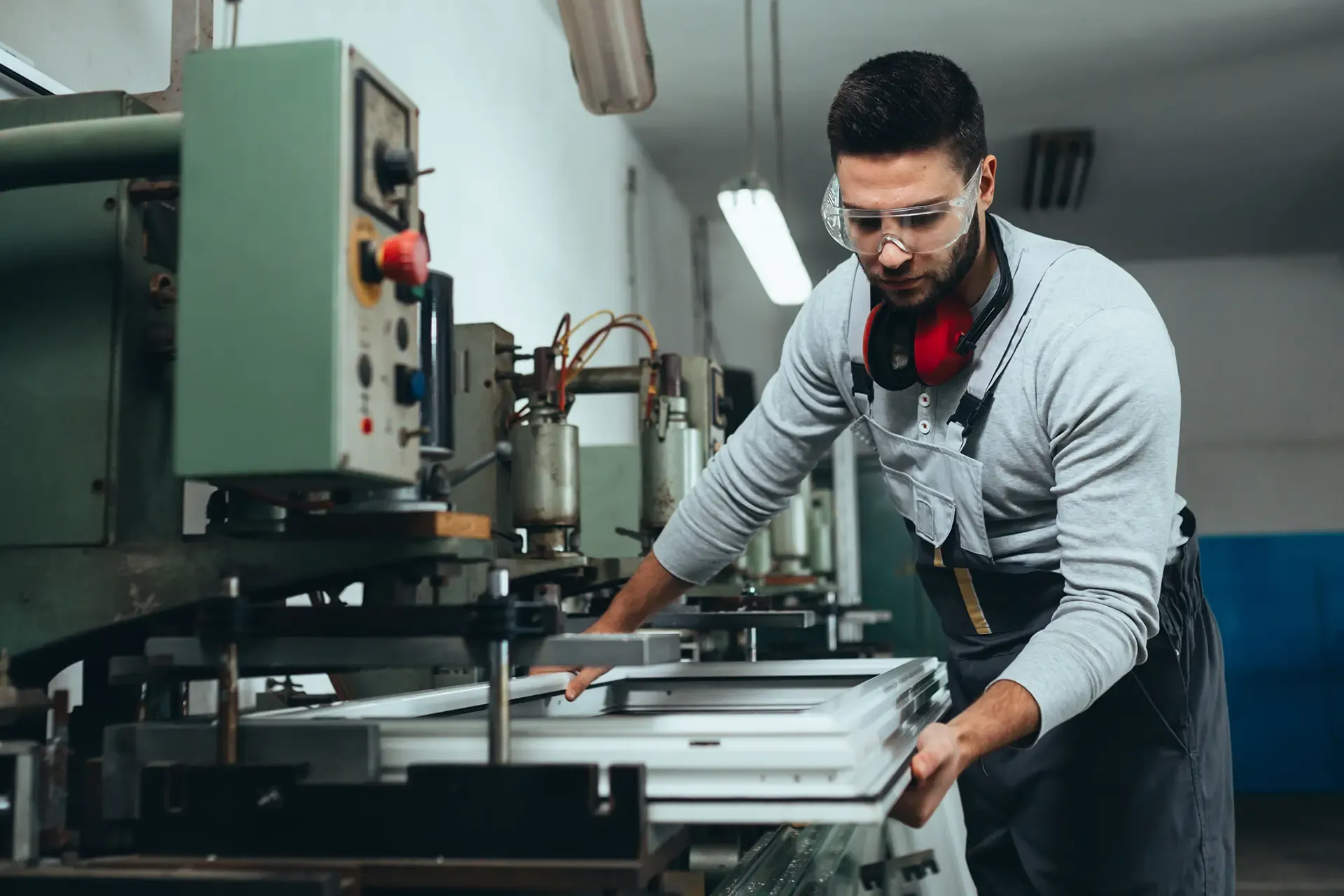
Understanding Manufacturing compliance requirements.
No federal law requires drug testing for private‑sector manufacturers, but that simplicity is misleading. Overlapping regulations and financial incentives make structured screening programs the practical standard for most operations.
OSHA and the General Duty Clause
OSHA doesn’t require drug testing, but its general duty clause still holds employers responsible for preventing known hazards. In manufacturing environments, impairment is one of those risks. Post‑incident testing is allowed when tied to legitimate safety concerns and should include any employees who may have contributed to the accident.
Drug-Free Workplace Act
Manufacturing and industrial companies holding federal contracts of $100,000 or more are subject to the Drug-Free Workplace Act. Compliance requires a formal written policy, employee notification of prohibited conduct, and established consequences for violations. A documented, consistently applied testing program is the operational foundation of that compliance.
Workers Compensation Premium Discounts
Most states offer workers’ comp discounts for maintaining a certified drug‑free workplace, and for manufacturing operations, those savings can be significant. Qualifying programs require a written policy, supervisor training, employee education, and structured testing—everything TEAM helps implement and maintain.
State Marijuana Laws and Multi-Site Operations
Marijuana legalization has added complexity for multi‑state manufacturers. Some states restrict action based on off‑duty use, while others allow full discretion. Zero‑tolerance policies can still apply in safety‑sensitive roles, but they must be clearly defined, consistently applied, and well‑documented across locations.
Our Manufacturing Services:
Pre-Employment Drug Testing
Screen new hires before they set foot on your plant floor. Our drug and alcohol testing programs support urine, oral swab, and hair follicle testing through our network of 20,000+ collection sites. Hair testing is increasingly used by manufacturers running zero-tolerance policies on heavy machinery, because its 90-day detection window captures more history than a standard urine 5-panel. Turnaround averages 24 to 48 hours.
Random Program Management
Maintain an active random testing program that meets contract requirements and deters substance use across your workforce. TEAM manages pool selection, provides an easy way to schedule collections, and maintains full documentation so your safety managers are not spending hours running the program manually.
Post-Accident Testing
When incidents occur, our 24/7 post-accident support line is always available. We coordinate testing, manage chain-of-custody documentation, and keep records organized so you are covered if questions arise in workers compensation proceedings or OSHA inspections.
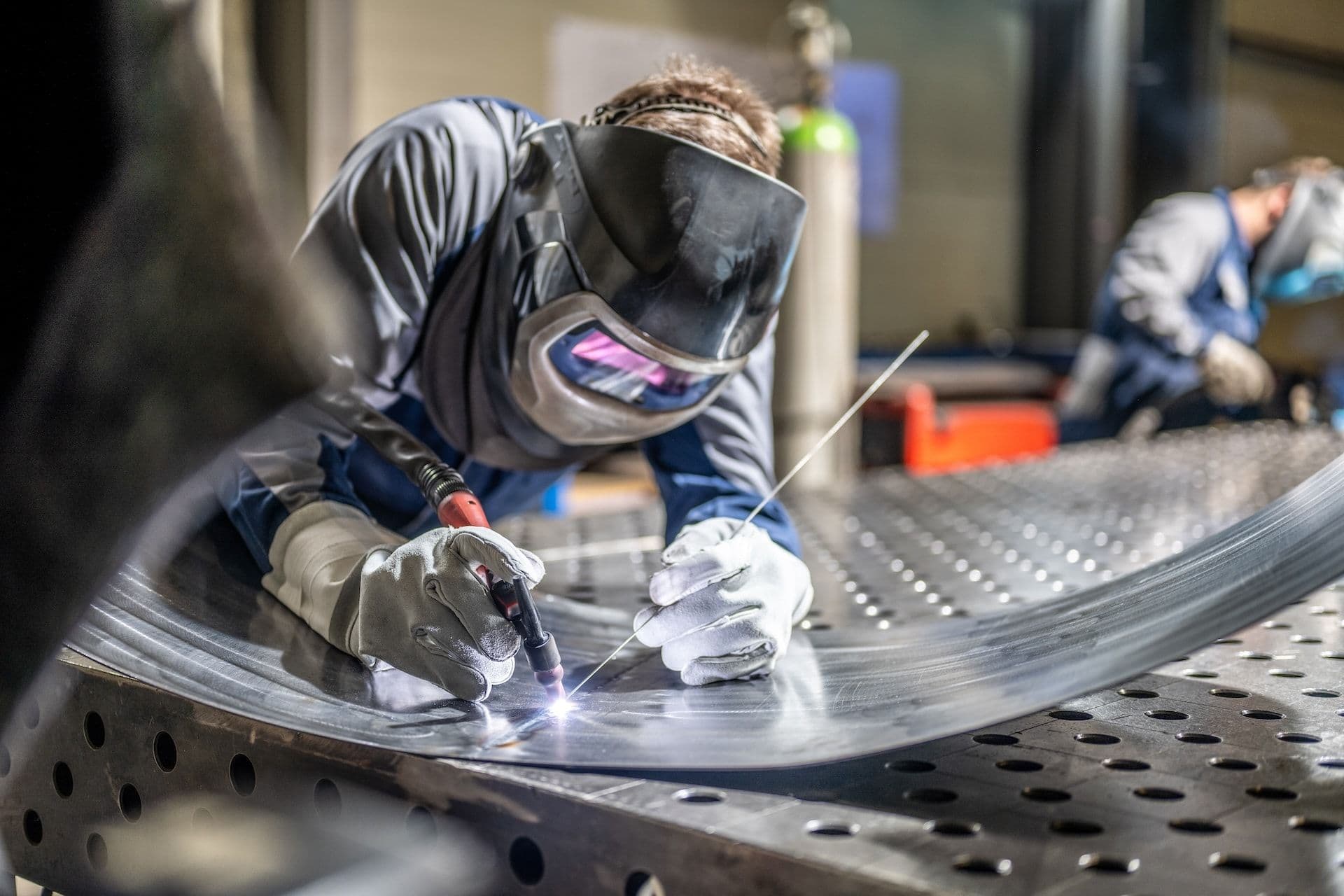
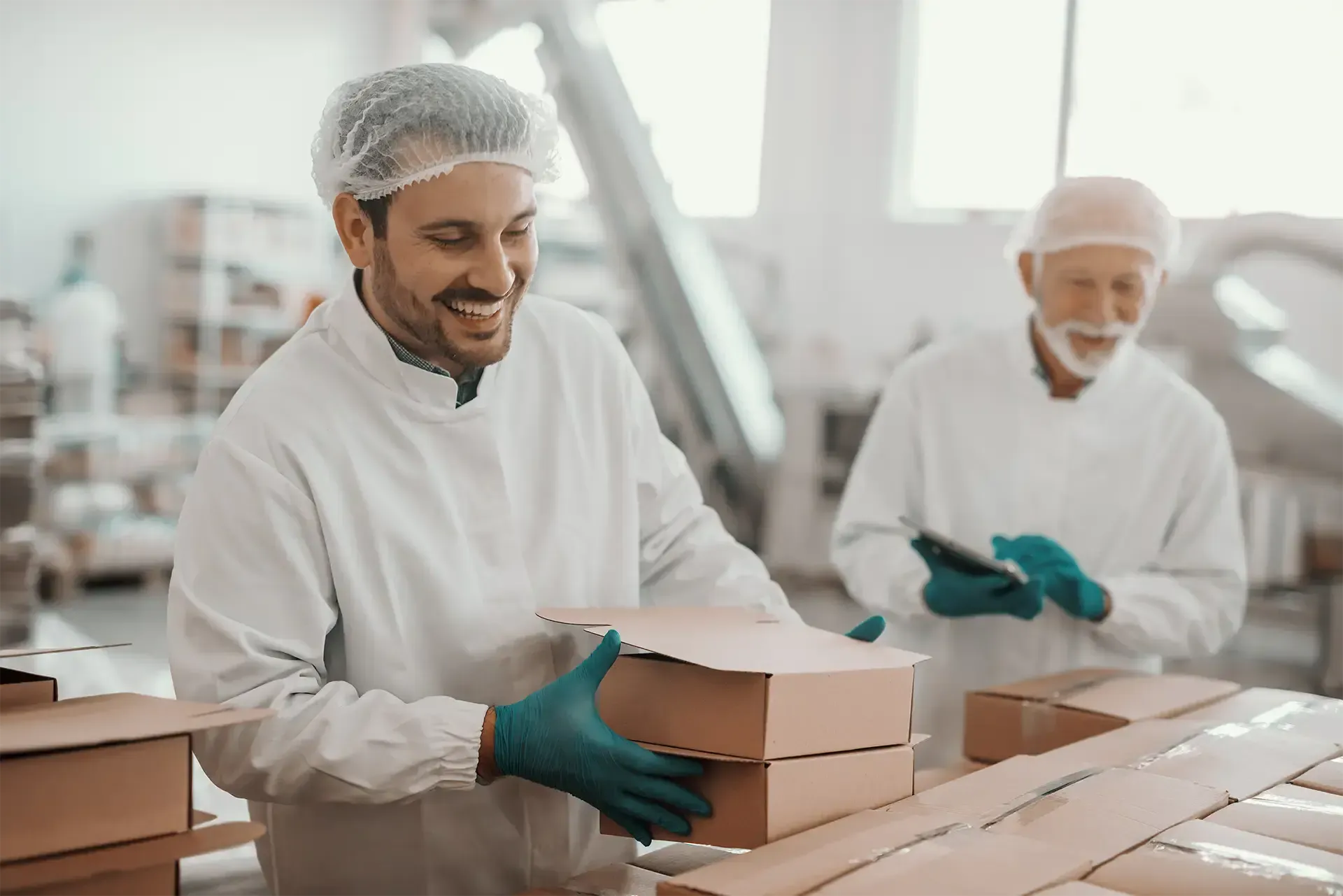

Why Manufacturing companies choose TEAM.
Manufacturing hiring does not slow down, and neither does TEAM. With NDASA accreditation, 20,000+ collection sites, and results averaging 24 to 48 hours, we are built for the volume and pace that manufacturing operations require. Our platform handles drug testing, random program management, and background checks together, so your HR and safety teams are working from one system, not three.
We work with manufacturers of all sizes, from single-facility operations to multi-state industrial companies. With 25 years of experience and more than 120,000 candidates qualified, TEAM understands what manufacturing compliance requires. Think of us as an extension of your team. When you are ready to build a safer, more efficient screening program, get started here.
Frequently Asked Questions
Is drug testing required in manufacturing?
No federal law mandates drug testing for private-sector manufacturers. However, manufacturers holding federal contracts of $100,000 or more must comply with the Drug-Free Workplace Act, which requires a formal written policy and employee notification program.
Does the Drug-Free Workplace Act apply to manufacturing companies?
Yes, if the company holds federal contracts of $100,000 or more. The Act requires a written drug-free workplace policy, an employee awareness program, and specific procedures for reporting drug-related criminal convictions. Non-compliance puts the federal contract at risk.
What kind of drug test do most factories use?
Most manufacturing employers use urine testing for pre-employment and random screening because it meets the broadest range of regulatory requirements and is the most cost-effective option for high-volume hiring. Hair follicle testing is increasingly common at facilities with zero-tolerance policies and heavy equipment, because its 90-day window captures more history.
Can manufacturers enforce a marijuana zero-tolerance policy?
In many cases, yes—especially for safety‑sensitive roles involving heavy machinery. However, the details aren’t one‑size‑fits‑all. State laws vary on how “safety‑sensitive” is defined, what types of marijuana testing are permitted, and when testing can occur. That makes clarity and consistency critical. Policies should be documented, applied the same way across the organization, and aligned with the specific requirements where you operate.
This is where structured oversight matters. A third‑party administrator helps ensure policies are implemented consistently, documentation is audit‑ready, and programs hold up under varying state requirements.
Do manufacturing companies run background checks?
Yes. Most manufacturers conduct criminal background checks for pre-employment screening, particularly for roles involving heavy equipment or controlled areas. Comprehensive checks typically include national, state, and county criminal history, identity verification, and previous employment verification.
What is random drug testing in manufacturing?
Random drug testing is an ongoing program in which employees are selected for testing on an unannounced, statistically random basis throughout the year. It deters substance use more effectively than pre-employment testing alone and is often required by federal contracts, workers compensation discount programs, and project owner standards.
Safer Operations. Smarter Screening.
Ready to build a safer plant floor? Contact TEAM to design a drug testing and background screening program for your manufacturing operation.